The roof is often the most honest part of an old building. It tells stories of salt air off The Wash, of soot from long-quiet chimneys, of craftsmen who cut oak pegs and dressed stone slates by hand. In and around King’s Lynn, roofs span medieval merchants’ houses, Georgian terraces, Victorian chapels, and early 20th century civic buildings. Each has its own fabric, its own weathering patterns, and its own weak points. Caring for them demands patience, practical knowledge, and a willingness to do less rather than more when the original fabric can be saved.
Roofers who make their living in King’s Lynn work with a palette that includes clay pantiles, plain clay tiles, Collyweston or Swaffham stone slates, hand-split oak shakes and chestnut shingles, Norfolk reed thatch, and the occasional lead flat roof over a bay or porch. The skills travel across centuries: lime mortar instead of cement, copper nails instead of galvanised where acids might react, torching under pantiles rather than felt. A sound roof on a period property comes from understanding where earlier choices make sense, and where modern materials can help without killing the building’s ability to breathe.
Reading the building before lifting a tile
A methodical survey beats a fast quote. With heritage roofs, hasty patching can trap moisture or overload fragile structures. The inspection begins on the ground with binoculars, then from the loft if safe access exists. You look for unevenness in the runs of tile or slate that hints at failing battens, slipped nibs, or rafters sagging under past leaks. You note lichen patterns and staining around parapets and chimneys. You feel for movement in ridge tiles and listen for hollow taps on hip irons and verge mortar.
Inside, the nose never lies. A dry loft in an old building has a faint timber scent. A sour note means trapped moisture, often from blocked eaves, failed torching, or modern insulation stuffed tight against the underside of the roof covering. Look at the nails. Rust blooms around nail heads in old battens point to condensation cycles, not just penetration by rain. Limewash freckles on the back of pantiles often show they’ve been reused, which is good news if they still sit firm.
Heritage roofers in King’s Lynn carry a small kit for first walks: a moisture meter for timber, a mirror and torch for checking soffits, a magnet for nail types, and a bag of chalk to mark suspect areas. Drone footage helps on fragile or complex roofs, but it cannot replace the hand that presses a slipped tile back to feel the batten’s life under it. When you do climb, you step on the batten lines, not the tile crowns, and you protect the ridge with padded ladders. The survey is as much about what not to disturb as what to fix.
Norfolk’s materials, their strengths, and their quirks
Clay pantiles define much of West Norfolk’s skyline. The S-shaped wave sheds water quickly, and the light weight suits soft brickwork and modest rafters. Pantiles move slightly with temperature and need room to breathe. They often sit with lime mortar torching underneath rather than felt. Mortar ridges between tiles are not an aesthetic flourish, they stabilize and block wind-driven rain. Pantiles rarely fail as units; instead, nails and battens rot, or nibs wear and slip.
Plain clay tiles, whether machine-made Edwardian or older hand-pressed, lie double-lapped and ask for stronger timbers. They excel on steeper pitches. Their Achilles heel is moss and lichen that slows runoff, then frost damage if water lingers. Many older tiles can be salvaged and re-laid if the nibs and arrises are intact. The color blend tells a story of firing and clay beds; a replacement that’s too uniform rings false from the street.
Stone slates are less common in King’s Lynn than in the Cotswolds, but they do appear in outbuildings and on certain listed houses. They are heavy, precisely graded by course, and unforgiving if the sizing sequence is broken. The underlay is often nothing more than torching and gravity. Re-slating demands careful lifting, sorting, and patient re-dressing of edges.
Lead is the quiet workhorse on heritage roofs, seen in valleys, parapet gutters, bay roofs, and flashings. In coastal air, lead performs for a century if detailed with correct expansion joints and supported on smooth boards free of resinous softwoods. Most leaks around chimneys in King’s Lynn come from failed apron and step flashings, not the stack itself. Fatigue cracks at the corners or undersized bays that oil-can in heat cause pinhole leaks that show up as brown streaks inside.
Thatch has its own rhythm. In West Norfolk, reed thatch is more common than long straw. Reed carries a sharper line and can last 30 years or more if well maintained, though hips and ridges weather faster and need renewal every decade or so. Thatch failures usually start at eaves where birds and rodents find purchase, or where gutters spill and keep the reed wet.
Traditional timber elements hold the whole assembly together. Softwood rafters from the Victorian period can look tiger-striped with resin but remain strong if kept dry. Lime plaster between rafters, visible in some lofts, acts as a moisture buffer and should be respected. Old battens, often 25 mm square or even smaller, are enough for pantiles but not for heavier coverings. The temptation to modernize with membrane and standard tile battens must be weighed against ventilation and loading.
Repair first, replace last
Most period roofs benefit from targeted Click Here repairs rather than wholesale renewal. Matching the repair method matters as much as matching the tile. Where pantiles are torched, reinstating lime torching stabilizes and protects. Where a valley was formed with lead, do not swap it for felt valley troughs that look tidy but change how the roof breathes and drains. Cement mortar that locks tiles to verges and ridges may look neat on day one, then trap moisture and crack in five winters. Lime-rich bedding with a little hair or fiber flexes, sheds water, and is reversible.
Case in point: a late Georgian townhouse off the Saturday Market Place had a recurring stain in the second-floor landing ceiling. Well-meaning work two decades earlier had cement-bedded the ridge and replaced several broken plain tiles with concrete interlopers. The ridge held water, which found the path of least resistance along a slightly dipped rafter bay. The fix was small and precise: lift the ridge, remove the cement, dress in a lead saddle over the party wall, re-bed with hydraulic lime, then swap out the concrete tiles for salvaged clay. The leak stopped, and the roofline regained the gentle movement clay allows.
Another common scenario involves listed cottages in the villages around King’s Lynn. Chimney stacks often have shallow flaunching that opens up over time. Rather than repoint the whole stack with hard cement, which accelerates brick decay, we rebedded the pots in lime flaunching, replaced the back gutter and side steps with code 4 and 5 lead, and left the sound, thin lime joints alone. The stack can breathe again, and the roof survives wind-driven rain without forcing water into the attic.
Battens, membranes, and the breathability question
Modern roofing practice favors membranes, counter-battens, and airtightness. On heritage buildings, the calculus changes. Many period roofs were built to vent naturally through laps, through the eaves, and along the ridge. Introducing a vapour-impermeable layer can trap moisture against cold tile undersides or timber, leading to mold and rot. If a membrane is necessary, choose a high vapour-permeable underlay and detail it so air can move at the eaves and ridge. Some roofs do fine with no membrane at all when reinstating torching and ensuring adequate ventilation from soffit to ridge.
Batten size and spacing need thought. Traditional pantile roofs used smaller battens with tight gauges suited to local tiles. Standard modern battens may force awkward laps or leave nibs hovering. When replacing battens, roofers in King’s Lynn often measure and mark gauges based on the recovered tiles rather than relying on a generic chart. It takes longer, but it means the roof goes back as it was intended to function.
Matching tiles and finishes without faking history
Heritage work rewards patience in sourcing. Salvage yards around Norfolk hold piles of clay pantiles and plain tiles sorted loosely by era and color. The best matches come from mixing batches so the roof avoids the uniformity that gives away a patch repair. New handmade tiles can blend well if the color and sand finish are right, but they cost more and often need a weathering period to settle in visually.
For stone slates, the priority is grading. Even if the hue is slightly off, correct diminishing courses create the shadow lines that read as authentic from the street. Lead is easier: codes and detailing matter more than patina. A wiped graphite or natural weathering will settle quickly in coastal air.
Mortar color is a tell. Brutally white joints under a pantile ridge scream modern cement. A pale buff lime mortar, perhaps with a little local sand, sits comfortably with old brick and tile. Roofers who work on the Quayside terraces learn to sample the old mortar, crush a pinch, and feel the grit to judge the aggregate. It is not nostalgia; it is performance. Lime joints shed water and salt without crushing the brick arrises.
Managing rainwater the old way, with subtle upgrades
Parapet gutters and valley gutters are the failure points that keep roofers in business. On 19th century buildings, these are often lead-lined and should remain so. Where depth is marginal, raising the curb by a modest 10 to 20 mm with treated timber under the lead can buy safety without altering the profile from the street. Expansion joints in long runs are non-negotiable, with welts and steps set out to match thermal movement.
Cast iron rainwater goods are worth retaining where possible. They suit the scale of period buildings and handle expansion differently than plastic. That said, swapping heavily pitted, leaking lengths for quality new cast sections is a sound investment. Painting schedules matter: a decent primer and two topcoats can extend life by decades. Oversized outlets at valley drops reduce the chance of winter blockages, and discreet leaf guards in gullies help, but they still need seasonal clearing.
The weight game and hidden structure
Period roofs are light or heavy by design. Clay pantiles are light. Stone slates and concrete tiles are heavy. The misstep that has collapsed more than one ceiling is the replacement of pantiles with concrete tiles because they were cheap and available. The added load can exceed 20 to 30 kilograms per square meter. Over a typical terrace roof, that adds a small car on the rafters and ties. The rafters bow, ceiling joists crack, and rain follows the dip. If a roof demands total renewal, the covering must respect original weight.
Timber repairs should be minimal and targeted. Sistering a rafter with like-for-like section improves stiffness without tearing out sound wood. Avoid treating everything with broad-spectrum chemicals unless beetle activity is confirmed and active. Many old frass deposits are historical, and dry timber does not support beetle. Ventilation and dryness are better cures than chemicals for most roofs.
Working with listed building consent
In King’s Lynn and West Norfolk, listed building consent is usually required for replacing roof coverings with different materials, altering profiles, or changing details like eaves and ridges. Roofers kings lynn who work regularly with the conservation officers learn to present a simple method statement: survey findings, materials to salvage, proposed replacements, mortar types, lead codes, and any subtle changes to improve drainage. Clear photos and a few sample tiles or mortar swatches can save weeks.
Sometimes consent conditions feel fussy. An instruction to retain a wonky ridge may seem odd until you consider the way that line anchors the terrace’s character. You can often improve water shedding and security under a ridge while keeping its uneven silhouette. Consent officers are generally pragmatic when safety is at stake, but they expect reversibility where possible and a light touch on visible fabric.
Seasonal rhythms and maintenance that actually matters
Roofs don’t need fussing every month, but they do benefit from a steady routine. In practice, two short visits a year make sense for large or complex roofs: one after leaf fall to clear gutters and check valleys, and one in late spring to prepare for summer storms. Small cottages may need only an annual look. Pulling moss off clay tiles is not always wise; a little lichen is harmless, but thick moss that lifts laps should go. Clean carefully, avoid pressure washing, and never abrade the tile face.
Birds and plants exploit small weaknesses. Ivy at the gable looks charming until it levers out a verge tile. Jackdaws love gaps at eaves and will strip torching to build nests. Mesh guards in strategic places keep them honest without sealing the roof tight. Chimney pots need cowls only if downdrafts or nesting are chronic; otherwise, their open tops allow the stack to breathe.
Leadwork should be checked for splits at corners and signs of abrasion where it crosses brick or stone. Fresh white run-off staining on brick below a lead gutter suggests movement or newly formed cracks. Limewash inside the loft near gullies is an early warning, not a disaster. Catch it early and you might repair with a welded patch rather than a full recast.
When to bring in specialists, and what good work looks like
Not every job demands a specialist crew, but heritage roofs reward experience. A general contractor may lay felt and concrete tiles with speed, yet struggle to reclaim and re-lay handmade clay without breakage. King’s Lynn Roofers who specialise in period work will often propose the less glamorous path: more handwork, fewer wholesale swaps, and a budget that prioritizes failures rather than cosmetic change.
Here is what good practice looks like in the field:
- A scaffold that protects eaves and allows gentle handling of ridge tiles, with proper edge protection and debris control. No thrown tiles, no skip full of salvageable fabric. Careful sorting of lifted tiles into sound, repairable, and discard piles, with immediate covering to keep the roof dry during works. Mortar mixed on site to match existing color and performance, with test pats allowed to set before committing to long runs. Lead dressed over smooth under-boards, with correctly sized bays, welted seams where appropriate, and fixings that allow movement. A tidy handover: spare tiles left on site labeled for future repairs, photos of concealed details for records, and simple maintenance notes.
Those notes matter. Five years from now, someone else might climb that roof. If they know the ridge beds in NHL 3.5 lime with sharp sand from a specific pit, or that the valley steps are code 5 lead at 500 mm bays, they will make better decisions.
Wildlife, vents, and the modern comforts we add
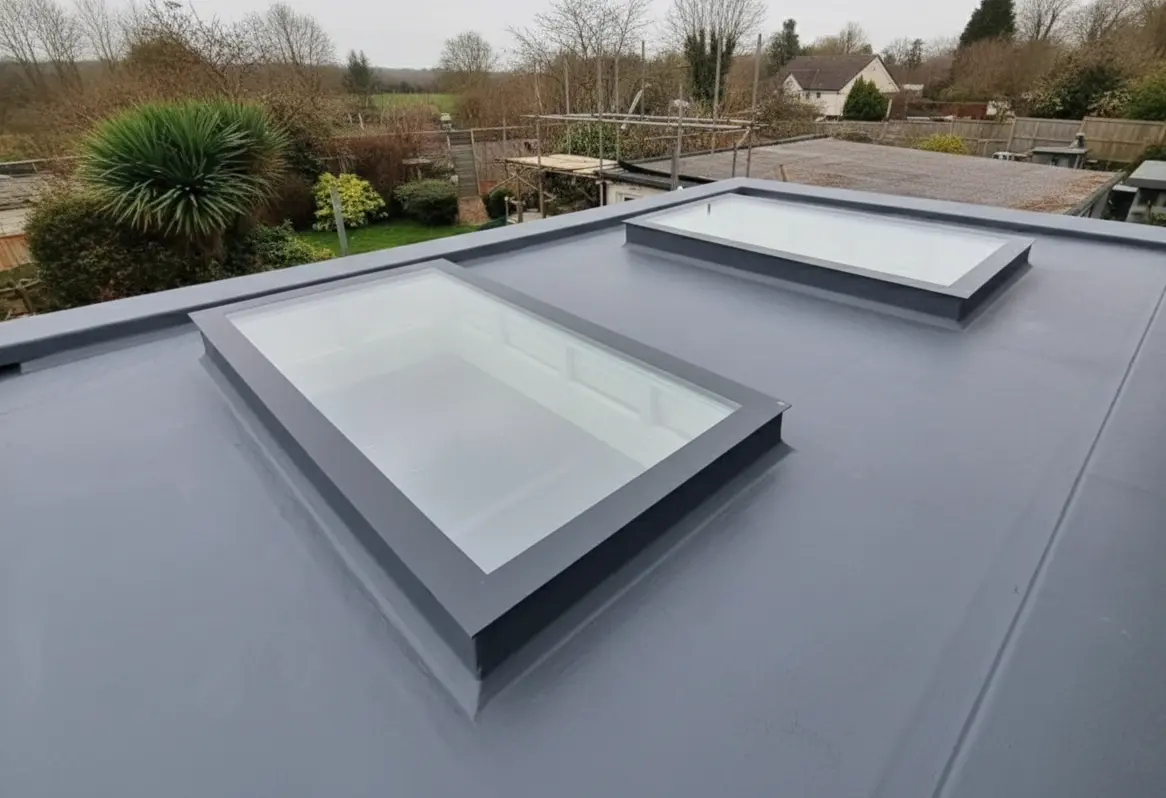
Period roofs now carry 21st century demands: insulation, extractor fans, photovoltaic panels, and sometimes roof windows. Each addition has consequences. Insulation should favor the warm side of the ceiling, with vapour control layers placed with care. Stuffing mineral wool hard against tiles or board underlays risks condensation. Where roof space is used as a room, breathable insulation solutions and controlled ventilation can keep both the occupant and the rafters happy.
Extractor fans in bathrooms must vent through the roof or wall, not dump moist air into the loft. Discreet proprietary slate or tile vents exist that approximate the host material. Choose the one that matches your tile profile and set it among courses to avoid awkward cuts. Vent pipes for soil stacks can often pass through lead slates set properly without the plastic collars that jar on heritage silhouettes.
Solar panels are not off limits on period homes, but they demand careful placement and fixing. Avoid drilling through old tiles wherever possible. Use hook systems that hang from rafters with flashing designed for the tile profile, and place arrays on less visible slopes. Alternative sites like outbuildings or garden structures may be better. The embodied carbon savings of keeping a clay tile roof intact can rival the gains of a badly sited array that forces constant repairs.
Case studies from the Lynn streets and villages
On a 1900s Arts and Crafts villa on the Gaywood Road, the hips told the story. Every winter, the same damp mark appeared at the landing ceiling. The hip irons were corroded, and the hip tiles had been bedded hard in cement. Wind lifted the edge, rain drove under, and the hip line flexed just enough to crack the brittle bed. The fix involved new hip irons, a lime bed, and a discreet lead soaker on the windward side. The hip kept its character line, and the leak stopped.
In a village south of King’s Lynn, a thatched cottage lost ridge definition and shed reed into the garden. The owner feared a full re-thatch. A closer look showed the body of the thatch still had depth, but birds had opened the ridge. A ridge renewal with Norfolk wrap style, a tidy at the eaves, and new fire barrier in key areas gave another 12 to 15 years to the main coat. The bill was a quarter of a full job, and the cottage avoided intrusive scaffolding down the walls.
On the quay, a warehouse conversion had parapet gutters that ponded because mid-century repairs had altered the falls. We lifted the lead, planed and re-graded the boarding by a mere 6 to 8 mm across the run, introduced proper steps at bay junctions, then relaid with code 6 lead and patination oil. From the street, nothing looked different. Inside, the wall stopped weeping after heavy rain.
Budgeting for the long term
Owners often ask for a number with certainty. Heritage roofs resist exact figures because salvage rates, hidden timber issues, and access limits only become clear as you open the roof. A sensible budget includes a contingency of 10 to 20 percent. Spend it where it interrupts water paths rather than on shiny finishes. If the choice is between replacing a handful of cracked tiles at a valley mouth and repainting cast iron elsewhere, always stop the water first.
Similarly, resist the urge to perfect. A roof that looks too new on a Georgian house can devalue the whole facade. Slightly uneven lines, color variation, and small scars are part of the building’s language. Your goal is to make it safe, dry, and honest. A roof that works without advertising the work is a success.
The local climate’s quiet pressures
King’s Lynn sits under skies that test roofs in particular ways. Westerlies carry salt that speeds corrosion on metal fixings. Winter storms drive rain almost horizontal a few times each year, probing laps and flashings. Summers bring heat that moves lead and clay more than inland. These realities influence choices. Copper or stainless fixings outlast galvanised in coastal air. Lead bays need conservative sizes and proper clips. Ventilation is not optional, because trapped moisture in cold snaps becomes frost damage in spring.
One often-missed culprit is shade. North-facing slopes under tall trees stay damp and host moss. Clearing canopies or thinning branches to let wind and light reach the roof can add years of service without touching a tile. Gutters under those branches will clog faster. A twice-yearly ladder session with a scoop and bucket beats any promise of maintenance-free systems.
How to choose help you can trust
You can tell a lot in the first ten minutes of a site visit. The roofer who asks to see the loft before measuring the roof is more likely to understand the building. Questions about mortar, nails, and underlay type show they plan to keep as much as possible. Beware of anyone who promises to replace a heritage roof in a day with modern tile and membrane without discussing weight, ventilation, and consent. Ask to see nearby work, ideally a few years old, not just a fresh job with bright mortar.
King's Lynn Roofers with a foot in both worlds, old and new, will offer a staged plan: immediate safety measures, targeted repairs, and a longer-term strategy for eventual renewal. They will talk about sourcing materials, lead codes, lime types, and how to handle a surprise under the ridge when it comes. They will not force the pace unless weather demands it. Clear communication counts as much as craft.
A short owner’s checklist for steady care
- Walk the perimeter after heavy weather, using binoculars to spot slipped tiles, lifted ridges, or blocked outlets. Look in the loft twice a year for fresh stains, moldy smells, or daylight where it should not be. Keep gutters, valleys, and parapet gutters clear, especially under trees and after storms. Photograph trouble spots before and after repairs so you and future roofers share a record. Test lime and mortar repairs gently with a fingernail after a week; if they are still tender, protect them longer.
Why this work matters beyond the roofline
A period roof is a living system that buffers temperature swings, mediates humidity, and sheds weather in a way that suits the walls beneath. When we replace it thoughtlessly, we set off a chain of problems: spalling brick, sweating lofts, cracked plaster, and bills that outstrip the original “savings.” When we repair it with respect, we keep a building’s rhythm intact and let it breathe. In a town like King’s Lynn, where the waterfront, the markets, and the back lanes draw their charm from layered history, roofs are half the story your eye reads without realizing it.
The town has taught its roofers to be patient. A slipped pantile might be the warning that saves a ceiling. An extra hour spent matching mortar color can make a century-old ridge disappear into the skyline. The right lead detail at a parapet gutter will still be there when your grandchildren walk the quay. Roofers kings lynn who practice this craft know that the best compliment is silence: no buckets under drips, no peeling paint, no anxious calls after the first storm of autumn. Just a roof that earns its keep, season after season, letting the house below breathe and the stories above stay in place.